


The electrical system of every home includes either circuit breakers or (mostly in older buildings) fuses. The frequent blowing of the fuse is something that we do not want to deal with every day. Sudden switching off of all electrical devices and the inability to turn them on ruins our daily schedule, prevents us from relaxing, and nowadays even makes it impossible for us to do any work. If the whole house, apartment or only one of the rooms suddenly go dead – a fuse has probably blown. Unfortunately, this means an overload somewhere, the overheating of the circuit panel or any outlets or switches, or failure of one of the devices connected to the installation.
When looking for advice on the frequent breaking of fuses on the Internet, you may encounter a lot of tips, mainly concerning the technical operation of fuses or circuit breakers. This time let’s start differently. Let’s find out how the fuses work and what they’re actually for.
How Do Fuses Work?
Fuses are essentially fire breaks, or points of deliberate weakness, that collapse if power surges to prevent damage or fire. They are usually grouped in a box or on a panel with a cover – called a fuse box. They are one of the basic security features of the electrical installation of every building and protect your network against overload and overheating. So what does it actually mean when we say “the fuses have blown”? When fuses blow they’re simply executing their protective plan B—they force all the fuses to shut down to avoid circuit damage. When the meter uses more power than your installation has been adapted for – fuses instantly cut off the power supply. Unfortunately, there are many reasons why the fuses in your home can blow. The best way to find the cause of this “failure” is to disconnect devices from the power supply – one at a time. If, after lifting back the switches, the power supply is not interrupted – you have probably found the main culprit.
3 Most Common Causes of Blow Fuses
Now that you’ve had a quick reminder of how fuses work, let’s find out why they actually blow. The electrical system should work flawlessly, therefore many of the reasons why fuses keep tripping are related to poor maintenance or damage to the system. This is when you should call Wiktorowski Electrical Services to have a licensed electrician check out your electrical installation. If you hear strange or crackling noises, or if you’re encountering flashing lights, the fuses have blown because of:
Network overload
Network overload happens when too many devices are connected to the power at once. Powering all receivers uses too much combined power, and the fuses trip when it exceeds 10% of the circuit breaker’s full capacity. Nowadays, network overload happens mostly in older houses, which have outdated installations. An installation planned for a lower energy demand will not be able to keep up with more resource-consuming devices. In this case, you have to replace or renew the electrical installation.
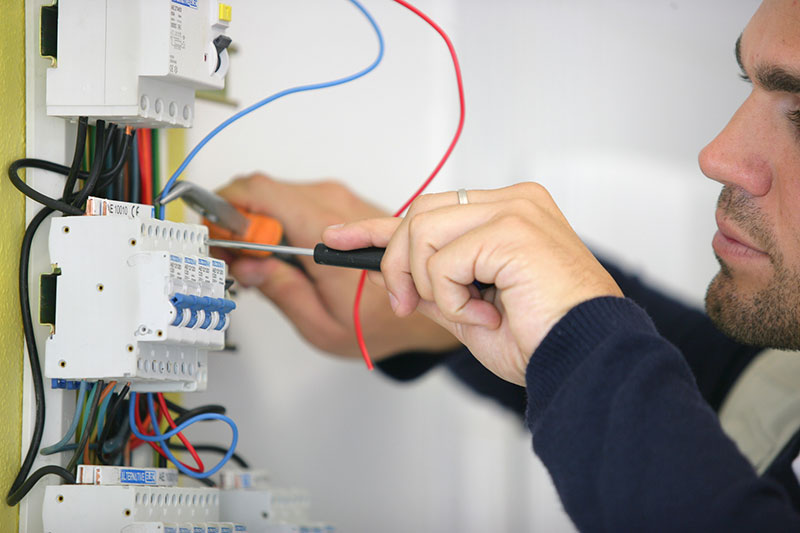 Obsolete fuses
Frequently breaking fuses does not have to mean the necessity to replace the entire installation. It often turns out that it is the fuses themselves that are not able to function properly. Old fuses are more and more often replaced with new ones rated to a higher current load. They are characterized by a lower failure rate and greater resistance to high power consumption. Fuses should be replaced by a licensed electrician, and the replacement process itself usually does not take more than a few hours. We’ll take care of that for you, just give us a call and tell us what your problem is.
Damage to the electrical network
Power cuts aren’t always related to the circuit breakers. If your home electrical network goes out of service several times a week, the best solution is to contact a trusted electrician that will inspect your electrical system and check it for serious problems. Damage to your installation can be dangerous and all repairs should be performed by a certified electrician.
Damaged Electrical Equipment
Frequent fuse blowing situations may be caused by a damaged appliance connected to the circuit. A washing machine, iron or a TV, which suddenly takes up more power than usual, will blow up the circuit breakers. This is especially easy to observe when the fuses always trip when the device is plugged in or is turned on. Try to unplug the faulty equipment from the outlet and test the electrical installation with a different device. If the problem persists – check if any of the appliances needs high starting power. Replace your old microwave, vacuum cleaner or iron with a model that consumes less power and the problem should be solved.
Are Blowing Fuses a Good Reason to Call an Electrician?
 Of course. Remember that tripping fuses is a very common problem. Electrical system failures often do not show visible signs, and frequently tripping fuses can be one of the clues. You can eliminate the simplest causes of blown fuses on your own. Remember to check the various configurations of connecting devices to the sockets in your home and to replace old electrical equipment with new ones. However, if you know that your apartment or house uses an outdated installation or the electrical system has not been inspected by an experienced professional for a long time – call Wiktorowski Electrical Services today.
Contacting a licensed electrician will help you fix the problem without exposing yourself and your loved ones to unnecessary danger.
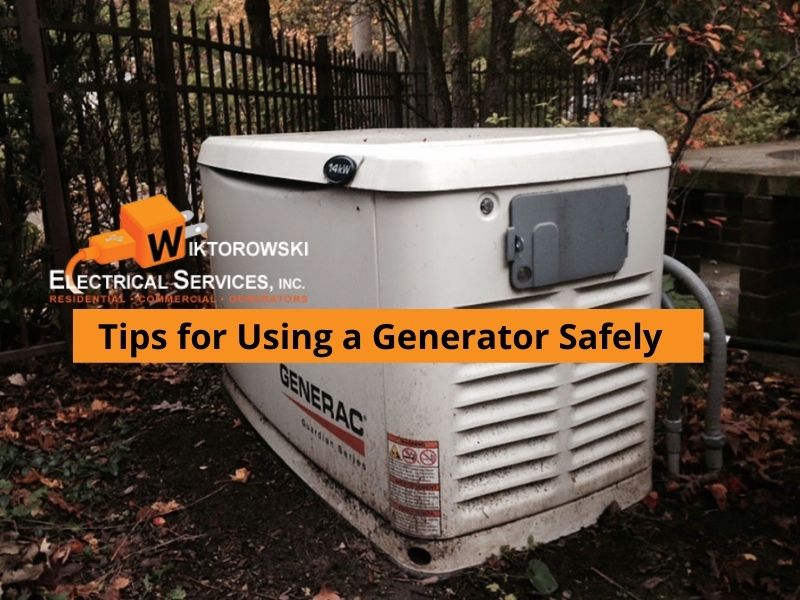
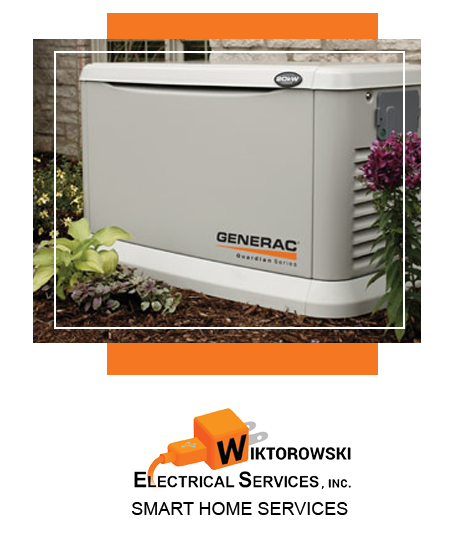 Choosing the right device is not easy at all and the final decision is influenced by many factors. When researching devices, it may turn out that the model that will work well on a construction site, may be useless as a house emergency power supply or when organizing a mass event. The purchase of a generator should therefore be based on determining the power needed, its purpose, reliability or additional functions. Customers are usually informed about these things, but we decided to go a step further. Our mission is to provide top-notch generator installation, as well as to educate our clients on the operation, maintenance and safety as well as to give guidance on how to properly use a power generator. The following tips can be considered the result of our work.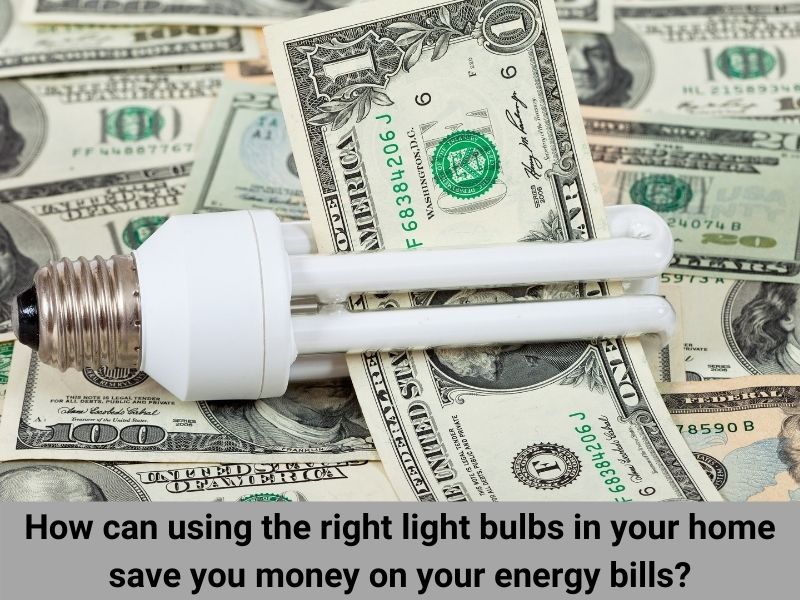
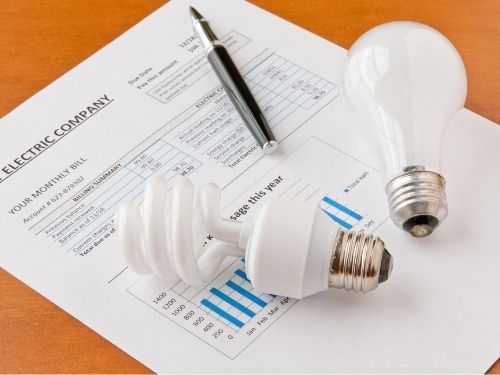 Electricity bills are fixed expenses that both entrepreneurs running their own business and people who use electricity in their homes must bear. Today, many people cannot imagine life without constant access to electronic devices, which are connected to the Internet, household appliances that facilitate everyday household chores, or the operation of production plants without modern equipment. However, we often forget about lighting – artificial light accompanies us so often that we hardly pay attention to it. Meanwhile, it is responsible for a considerable part of electricity consumption, and it significantly impacts the amounts that you see on your electricity bills. To lower them, it is worth investing in energy-efficient lighting.
 LED bulbs are currently the most in demand in the lighting market, and their prices have now declined to a point that every sector relies on LEDs as the most economical choice. They can be mounted in all popular types of lighting fixtures with standard size E26 screw-mount. They are also sold in the form of self-adhesive tapes. Generally, flat SMD diodes of various sizes and luminous efficacy are used in LED lamps. The most common SMD 3528 and larger 5050 generate about 80 lm/W (large Power LED diodes have an indicator of nearly 200 lm/W, but are very expensive). The larger the dimensions, the greater the power, so the same amount of light is obtained from a smaller number of LEDs. Compared to ordinary light bulbs, diodes with an indicator of 80 lm/W consume 85% less energy.
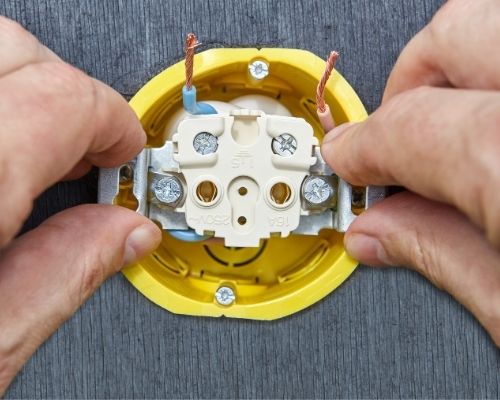 The last stage of upgrading the electrical system is the installation of sockets, fuses, and, at the customer’s request, lamps, lighting fixtures and switches. The type of protection on specific elements of the installation, the size of the circuit breakers, the components minimizing the effects of electric shock, etc. are selected by the electrician who installs the system.
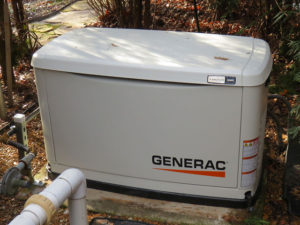 Generator replacement can be a good idea when you’re rewiring your entire electrical system. Over the previous years headways in innovation have made modern generators more intelligent, efficient, more reliable, and better looking. While equipment prices may have gone up, installation expenses might not be as high, if sufficient devices, wirings, and installations have been previously set up.
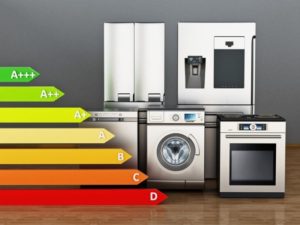
 The amount of energy consumed by electrical devices is indicated by their energy class. Ecologists and supporters of energy saving should avoid all devices with an energy class lower than A. Especially that most of the devices currently produced are, in fact, energy-efficient. This applies to refrigerators, washing machines and dishwashers, and therefore the biggest eaters of electricity. Refrigerator manufacturers usually tell you what their annual energy consumption is, so it’s easy to find the most energy-efficient appliance.
 Place your fridge away from heat sources – primarily from the radiator, stove and oven – and protect it from sunlight. Air must circulate freely around the refrigerator (especially at the rear). It should also have sufficiently large ventilation grilles that cannot be covered with anything. The lack of ventilation extends the operating cycles of the aggregate, which means that the refrigerator can use up to several times more energy. Also, the condenser on the rear of the refrigerator must be regularly cleaned of dust and defrosted. Dust and ice hinder heat transfer, which means the refrigerator uses more electricity. To reduce the formation of frost, do not place warm food in your fridge. In order not to unnecessarily heat its interior, it must be opened as rarely as possible and for the shortest possible time. When you want to defrost food from the freezer, put it in the fridge, of course, in advance. Because the food is very cold, it will receive heat from the fridge’s interior and relieve the work of the aggregate, thus reducing the energy consumption of the refrigerator.